
A garage door that jerks, shakes, or makes scraping noises may be developing a problem with its tracks or rollers. These parts guide the door as it opens and closes, so even minor wear can quickly affect the entire system.
The door may continue working for a while, which makes the problem easy to ignore. However, damaged tracks or worn rollers can eventually cause the door to jam, move unevenly, or come off its intended path.
The Door Moves Unevenly
A properly working garage door should rise and lower smoothly on both sides. If one side moves faster, sits lower, or appears to drag, the rollers may not be travelling evenly through the tracks.
Uneven movement may also place extra strain on the opener, cables, and other hardware. Scheduling overhead garage door repair early can help identify the damaged part before the door becomes stuck or unsafe to use.
You Hear Scraping or Grinding Sounds
Garage doors naturally make some noise, but loud scraping, grinding, or squealing should not be considered normal. These sounds may indicate that a roller is worn, a track is bent, or metal parts are rubbing against each other.
A lack of lubrication can also make the rollers noisy. However, adding lubricant will not correct a cracked roller, loose bracket, or damaged section of track.
The Rollers Look Worn or Damaged
Rollers can wear down after years of repeated use. Depending on their material, they may crack, chip, loosen, or stop turning smoothly.
Look for signs such as:
- Cracks around the roller wheel
- Wobbling while the door moves
- Rollers are sliding instead of turning
- Loose stems or brackets
- Pieces of plastic or metal near the track
Avoid touching or adjusting rollers connected to high-tension parts. A trained technician can inspect them safely and determine whether replacement is needed.
The Tracks Appear Bent or Misaligned
Garage door tracks should remain straight, secure, and properly aligned. A track may bend after being struck by a vehicle, heavy object, ladder, or stored equipment.
Even a small bend can interrupt the roller’s movement. You may notice the door slowing down, catching at a certain point, or making a sharp popping sound as it passes the damaged area.
Loose track brackets can create similar symptoms. Tightening visible hardware may seem simple, but changing the track position without proper measurements can worsen the alignment.
The Door Shakes During Operation
Shaking or vibrating often means the rollers are not moving smoothly. A damaged wheel may catch inside the track, while loose hardware can allow the track to shift as the door moves.
The opener may also struggle to pull a door that is no longer properly aligned. Continuing to use it can place unnecessary pressure on the motor and increase the risk of further damage.
The Door Comes Off the Track
A roller that has slipped outside the track is a serious warning sign. The door may hang at an angle, become jammed, or appear unstable.
Do not try to force the door closed or guide the roller back into position. Garage doors are heavy, and a partially detached door can fall unexpectedly. Keep people and vehicles away from the area until it has been inspected.
Routine Care Helps Prevent Track and Roller Problems
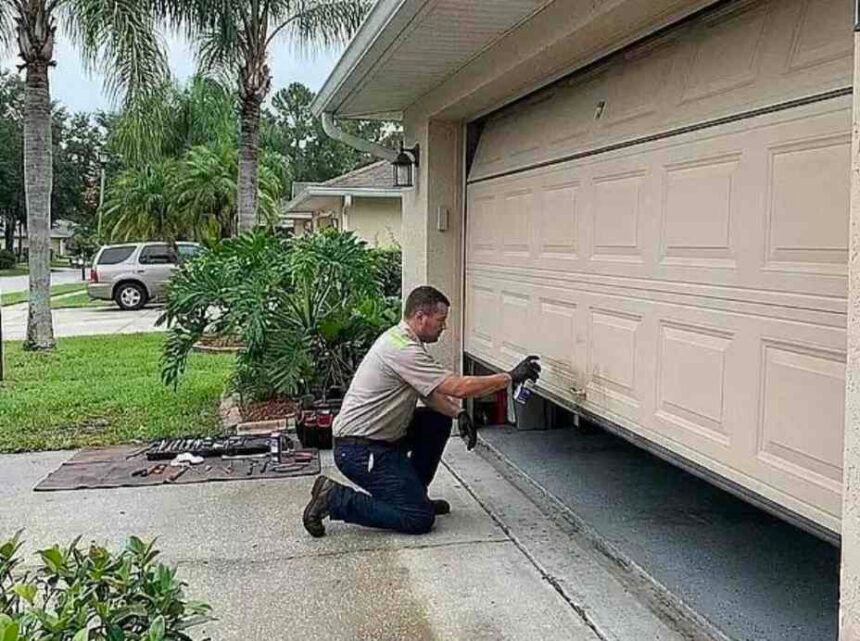
Regular garage door maintenance can help catch wear before it leads to a breakdown. An inspection may include checking roller condition, track alignment, brackets, fasteners, and overall door movement.
Keeping the tracks clear of dirt and stored objects also helps. Tracks should generally remain clean and dry, while an appropriate lubricant may be applied to moving roller components in accordance with the manufacturer’s instructions.