

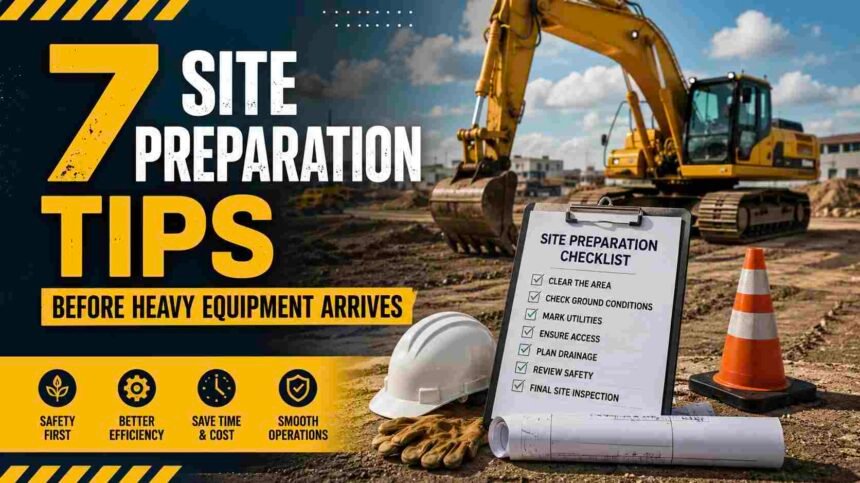
The arrival of heavy machinery—like full-sized excavators, heavy skid steers, and structural backhoes—is an exciting milestone for any construction, commercial development, or residential landscaping project. It signals the end of passive planning phases and the start of real physical progress.
However, many project managers and property owners treat the period leading up to machine delivery with passive compliance. They assume the equipment operators will naturally navigate whatever site conditions they encounter on day one. This reactive mindset is a primary mistake that regularly leads to broken underground utilities, stranded delivery trucks, compromised safety, and unexpected financial losses.
A highly efficient, secure job site is never an accidental stroke of good luck. It is a calculated, structural triumph achieved by running your operations with absolute spatial discipline and engineering foresight. By properly auditing your site before the machinery rolls off the transport trailers, you can permanently eliminate daily friction, protect your high-value property infrastructure, and keep your production timeline moving ahead of schedule.
1. Execute a Multi-Point Underground Utility Map and Clear Marking Protocol
The absolute first and most critical rule of site preparation is mapping your subsurface hazards. Striking an underground high-voltage electrical line, a main natural gas trunk, or a primary municipal water line does more than just cause an expensive project shutdown—it presents an immediate, life-threatening safety hazard to the equipment operator and your entire field crew.
To eliminate this massive financial risk, call your local utility protection service (such as 811) at least several business days before work begins. Ensure that the crew flags out all public utility corridors with bright, color-coded spray paint and marker flags. For private elements like secondary electrical feeds to a garage, invisible dog fences, or irrigation lines, bring in a private utility locator to map out these paths. Establishing a strict “no-dig” buffer zone around these lines keeps your crew perfectly safe and protects your project from expensive emergency repair bills.
2. Enforce Strict Environmental Strategy and Regulatory Document Verification
Clearing, grading, and moving earth changes the natural hydrology of your land. When heavy tires and steel tracks tear up the surface vegetation, the raw soil becomes highly vulnerable to wind displacement and rapid water erosion during heavy downpours.
If your project is situated in regions characterized by sudden mountain downpours, dry valley winds, or intense high-desert sun, managing your mud runoff is a serious legal and ecological responsibility. Smart project managers manage this environmental compliance long before the delivery trucks arrive.
To determine if your specific earthwork project requires formal state permits, you must look at your total land disturbance footprint. Understanding the legal limits of when a project requires a formal SWPPP in Utah allows you to deploy certified sediment fences, gravel construction exits, and slope stabilization mats right on schedule.
Securing your approved stormwater pollution prevention plan early ensures you are legally covered, protects nearby municipal storm drains from thick mud tracking, and shields your business from the steep EPA and state compliance fines that catch unprepared builders by surprise.
3. Clear Overhead Corridors and Analyze Transport Clearances
While below-ground hazards are critical to map, failing to look up can cause equally severe property damage. Modern commercial machinery stands exceptionally tall, and transport trailers require massive vertical and horizontal paths to maneuver safely.
Ensuring your overhead clearance paths are open before the delivery truck arrives stops accidents from happening, prevents sudden utility blackouts from snapped lines, and ensures your heavy machinery can unload safely without scraping paint or cracking fiberglass shells.
4. Engineer Stable Access Paths and Evaluate Soil Stability
A 40,000-pound excavator exerts massive physical pressure on the ground. If your planned entry lane crosses soft mud, uncompacted sandy soil, or hollow underground spaces like residential septic tank drain fields, the machinery will sink deep into the earth, getting stuck and damaging your property’s subgrade structure.
To optimize your flow, lay down thick timber mats or a deep layer of crushed gravel across soft ground areas. This practice applies smart lean construction principles by spreading the machine’s heavy weight evenly. This prevents deep ruts, stops soil compaction where you want future gardens to grow, and guarantees the machinery can move around the site reliably regardless of changing weather.
5. Map Clear Access Lanes and Establish Distinct Safety Zones
A dynamic construction site with moving machinery is an inherently high-risk environment. If laborers, delivery drivers, and active machinery are all trying to use the same narrow paths at the same time, you are inviting logistical gridlock and severe safety hazards.
Organize your site using functional zone engineering before the first machine engine fires up. Use a bright construction fence or caution tape to divide your space into distinct areas: a dedicated equipment storage zone, a secure refueling area, a raw material drop spot, and a distinct pedestrian-only lane. Establishing these clear boundaries keeps your ground crew safely out of blind spots, minimizes spatial friction, and lets the machine operator work with absolute focus and efficiency.
Conclusion
Preparing your job site before heavy equipment arrives is never an accidental feature of standard project management; it is a calculated triumph of proactive planning, precise spatial engineering, and smart risk management. By replacing rushed site habits with certified utility mapping, strict Utah stormwater compliance documents, clear vertical entry zones, rugged gravel staging paths, and disciplined safety zoning, you successfully protect your property investment from costly delays and structural damage. Taking the time to systematically organize your site contours from the ground up removes hidden frustrations from your weekly routine. Investing in these seven comprehensive safeguards guarantees that your construction environment stops behaving like a chaotic, high-stress chore and transforms into a beautifully resilient, deeply efficient workspace designed to deliver absolute craftsmanship, crew safety, and uncompromised profitability for years to come.