
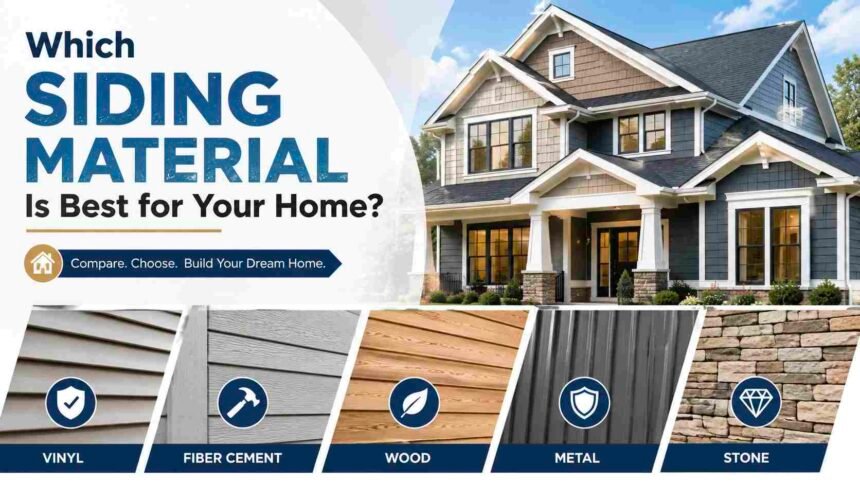
Your home’s siding does more than enhance its appearance; it protects against harsh weather, moisture, pests, and structural damage. Choosing the right material significantly impacts your home’s longevity. Each option comes with unique strengths, costs, and maintenance needs, making an informed decision crucial. With fluctuating temperatures and unpredictable weather, selecting durable siding is essential. Experienced contractors can help you choose a material that fits your home’s style, budget, and long-term goals.
Vinyl Siding: Affordable and Low Maintenance
Vinyl siding is a popular choice for homeowners. Made from durable, lightweight PVC resin, it resists rot and insect damage. A key advantage is its minimal upkeep, requiring no painting and easy cleaning with a simple rinse.
Pros:
- Cost-effective compared to other materials
- Available in many colors and styles
- Resistant to mold and moisture
- Easy to maintain
Cons:
- Can crack in extreme cold
- May fade over time with prolonged sun exposure
- Less impact-resistant than some alternatives
For homeowners, vinyl siding can be a practical option for those seeking a budget-friendly exterior with minimal maintenance needs.
Wood Siding: Timeless Appeal with Character
Wood siding offers a classic, natural look that adds warmth and character to a home. It’s available in various styles, from cedar shakes to horizontal planks, and can be painted or stained to suit your aesthetic.
Pros:
- Beautiful, timeless appearance
- Renewable and eco-friendly
- Can be refinished to extend lifespan
Cons:
- Requires regular maintenance
- Vulnerable to rot, pests, and moisture
- More expensive than vinyl
Wood siding, common in areas with wet seasons and snowy winters, needs diligent upkeep to prevent warping or rot. Homeowners often choose it for its aesthetic, accepting regular maintenance.
Fiber Cement Siding: Strong and Weather-Resistant
Fiber cement siding, a blend of cement, sand, and cellulose fibers, mimics wood or masonry while offering superior durability. It resists moisture, fire, pests, and extreme temperatures effectively.
Pros:
- Resistant to rot, insects, and fire
- Holds paint longer than wood
- Low maintenance compared to traditional materials
- Excellent durability
Cons:
- Heavier than other siding options
- Installation requires skilled professionals
- Higher upfront cost
The climate can fluctuate between hot summers and snowy winters, fiber cement siding is often chosen for its long-term strength and low maintenance.
Metal Siding: Sleek and Durable
Metal siding, typically aluminum or steel, is increasingly popular in modern home designs. It offers a sleek, contemporary look with impressive durability, resisting pests, fire, and mold with minimal upkeep.
Pros:
- Extremely durable
- Fire- and pest-resistant
- Modern aesthetic
- Low maintenance
Cons:
- Can dent from impact
- May be prone to rust if not properly coated
- Higher installation cost
Homeowners seeking a modern design with minimal upkeep often choose metal siding. Working with siding contractors in Salt Lake City ensures it’s installed to effectively handle local weather.
Brick and Stone Veneer: Lasting Strength with Classic Style
Brick and stone veneer siding offer timeless beauty and durability. Though more expensive initially, they last decades with minimal maintenance and provide excellent insulation, regulating indoor temperatures.
Pros:
- Very long lifespan
- Elegant and classic look
- Fire-resistant and low maintenance
- High property value impact
Cons:
- Higher installation costs
- Limited design flexibility compared to other materials
- Heavier, requiring strong structural support
For homeowners who value longevity and a classic exterior, brick or stone veneer is often worth the investment.
Factors to Consider When Choosing Siding
When selecting the best siding material for your home, consider these key factors:
- Climate: Choose materials that can handle snow, rain, and temperature swings.
- Budget: Balance upfront costs with long-term maintenance expenses.
- Aesthetic: Pick a look that matches your home’s architecture and neighborhood.
- Maintenance: Some materials need regular upkeep, while others are nearly maintenance-free.
- Energy Efficiency: Siding can improve insulation, which helps reduce heating and cooling costs.
Consulting with experienced siding contractors ensures you choose a material that not only fits your vision but also performs well over time.
Why Professional Installation Matters
Even top-quality siding can fail if installed improperly. Professional siding experts guarantee correct insulation, moisture protection, and alignment. This extends your siding’s lifespan and prevents issues like water damage or warping. Homeowners benefit from trusted professionals who know local climates and building codes, ensuring a strong, lasting installation.
Conclusion
The best siding for your home depends on your priorities—whether its cost, ease of maintenance, appearance, or durability. A smart choice protects your home, boosts curb appeal, and can even increase its value. If you’re unsure where to begin, working with experienced siding contractors can help you make the right decision and achieve a durable, attractive exterior that lasts for years.