

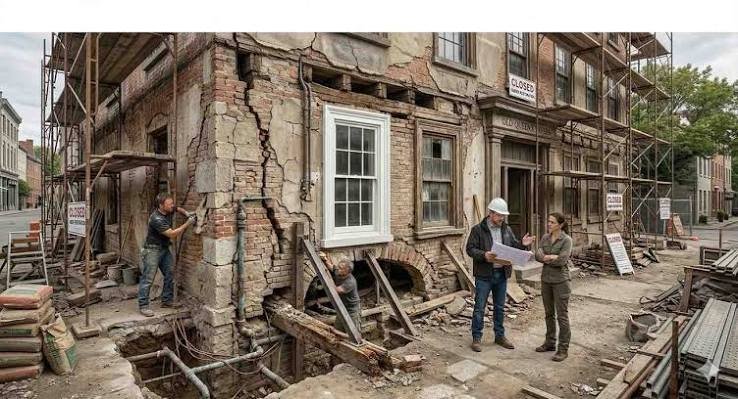
Restoring a historic property can be a rewarding endeavor, offering the chance to preserve a piece of history. While the aesthetic and cultural benefits are undeniable, the financial reality can be complex. Many potential restorers may not realize the potential hidden costs involved. To gain insights into common challenges, read the full feature here.
Understanding Material Replacement
One of the primary challenges in restoring historic properties is sourcing appropriate materials. Original materials used in historic buildings may no longer be available, leading to higher costs for custom-made or specially sourced items. Additionally, matching the original craftsmanship requires skilled labor, which can further increase expenses.
Preservation regulations often require the use of authentic materials to maintain historical accuracy. This means that even simple repairs can become costly if specialized materials are needed. It’s crucial for owners to budget for these potential additional expenses to avoid any disruption in restoration.
Unexpected surprises also lie beneath the surface. Uncovering deterioration hidden under old flooring, walls, or ceilings can lead to additional repairs. These issues can quickly escalate costs, transforming what seemed like a straightforward project into a complex one.
The Impact of Regulatory Compliance
Restoring a historic property often involves navigating numerous regulations and compliance requirements. Owners must ensure that any modifications meet local, state, and federal preservation standards, which can be time-consuming and costly. Securing the necessary permits and approvals can lead to delays and further expenses.
In some cases, compliance can dictate which methods and materials can be used, sometimes mandating more expensive alternatives. These regulations are meant to preserve the property’s historical integrity but can significantly impact budgets. Understanding these requirements beforehand can help in better project planning and execution.
Legal compliance may also involve engaging consultants or specialists knowledgeable in preservation laws to guide the project. Their expertise comes at a premium, adding another layer of cost to the restoration process. This makes early and thorough research an invaluable step in preparation.
Structural Integrity Challenges
Historic properties often come with inherent structural issues due to age and previous inadequacies in maintenance. Assessing and addressing these challenges require skilled assessments, which can reveal serious concerns such as foundation settling, wood rot, or mold. Repairing structural damage is often among the most expensive aspects of a restoration project.
A detailed structural assessment should be conducted before purchasing a historic property. This allows potential buyers to understand the extent and cost of necessary repairs. Without this knowledge, renovators may face unexpected structural repair costs midway through the project.
The need for structural reinforcements or modern safety upgrades, like seismic retrofitting, may further complicate the budget. These modifications preserve both the aesthetic and physical integrity of the building but do come with their own extensive costs.
Related article:
What Homeowners Should Know Before Replacing Flooring in Florida Homes
The Cost of Modernizing Amenities
While preserving the historical aspects of a property, there is often a need to update certain amenities to align with modern standards. This includes electrical wiring, plumbing, heating, and cooling systems. Updating these systems can be costly, particularly if the original infrastructure is outdated or damaged.
Modernizing amenities also often involves installing systems that are sympathetic to the historic setting, such as hiding wiring within existing walls or choosing period-appropriate fixtures. This attention to detail can escalate costs beyond standard installation procedures.
Balancing modern comforts with historical authenticity requires careful planning and often involves consulting with specialists. Their expertise ensures that new systems function effectively without compromising historical values, yet it comes at a higher price point.
Financial Aid and Grants
Many restorers look for financial assistance to manage the costs of restoring historic properties. Various grants and tax incentives are available at federal, state, and local levels, targeting the preservation of cultural heritage. However, obtaining these aids often involves detailed proposal submissions and adherence to strict guidelines.
Securing financial aid can significantly offset costs, but it requires significant effort in terms of paperwork and compliance. Each grant comes with specific terms that may influence the scope or timeline of the project. Understanding these stipulations is essential for gaining the full benefit.
It’s important also to note that these grants may not cover all costs and restorers often need to invest initial capital before receiving aid. Thorough planning and documentation can help in successfully navigating the application processes.
Related article:
Before You Renovate Your Bathroom: What to Repair, What to Refinish, and How to Tell the Difference
The Role of Specialized Labor
Employing specialized craftsmen is essential for preserving the unique attributes of a historic property. These professionals offer expertise in period-specific techniques and have the skills to replicate or restore intricate details. Consequently, the cost for such specialized labor can be considerably higher than typical construction work.
Finding the right professionals requires research and due diligence. Owners should vet potential contractors for experience with historic restorations. This can involve reviewing past projects and seeking recommendations from other property owners.
Additionally, specialized labor may require longer project timelines due to the intricate nature of the work. This can further increase costs, emphasizing the need for careful planning and budgeting from the outset.
Insurance and Unforeseen Situations
Adequate insurance coverage is crucial when undertaking a restoration project, protecting against potential mishaps or damages. However, securing appropriate insurance for historic properties can be more expensive and complicated than for conventional homes, often requiring specialized policies.
Historic properties present unique risks, such as delicate facades or the potential for discovering hazardous materials like asbestos. The insurance policy should account for these factors to prevent unexpected financial burdens from unforeseen situations.
Owners should anticipate and plan for unforeseen expenses that arise during restoration. Maintaining a contingency fund helps manage unexpected costs, ensuring that financial strain does not derail the project.
Related article:
Home Improvements That Can Increase Your Property’s Appeal and Value
Frequently Asked Questions
What are common hidden costs in restoring a historic property?
Hidden costs often include sourcing period-specific materials, complying with preservation regulations, and addressing structural integrity issues. Additional expenses may occur when modernizing outdated amenities or hiring specialized craftsmen.
How can financial assistance help with restoration projects?
Grants and tax incentives can significantly alleviate the financial burden of restoration projects. However, these benefits require comprehensive applications and adherence to strict guidelines, ensuring cultural heritage is preserved while modernizing the property.
Why is specialized labor more expensive in historic restorations?
Specialized labor involves employing artisans skilled in historical techniques to accurately replicate or restore details. Their expertise comes at a premium due to the precision and experience required to maintain authenticity in restoration projects.
What should be included in a contingency fund for restoration?
A contingency fund should cover unexpected issues like structural repairs, material deterioration, or compliance upgrades. Planning for these unforeseen expenses ensures the project can continue smoothly despite surprises during restoration.
How does insurance differ for historic properties?
Insurance for historic properties often requires specialized policies to cover unique risks and higher restoration values. These policies safeguard against the potential discovery of hazardous materials or damage during restoration efforts.
Conclusion
Restoring a historic property is an intricate endeavor combining passion for preservation with pragmatic financial planning. Understanding the hidden costs involved allows potential restorers to prepare adequately, ensuring they can navigate complexities without derailing their vision.
By anticipating challenges such as regulatory compliance and sourcing specialized labor, restorers uphold a balance between historical authenticity and modern functionality. With thorough planning and informed decision-making, they can successfully breathe new life into historic gems, preserving them for future generations.