
Exterior façade cladding serves both aesthetic and functional purposes. It provides a distinctive, stylish, and sophisticated appearance for buildings of all kinds (especially commercial, high-rise, and industrial buildings). It also protects the building’s substructure and interiors against weather, harsh sunlight and extreme temperatures; enhances energy efficiency; and, when DtS non-combustible cladding is chosen, it optimises fire safety compliance and performance.
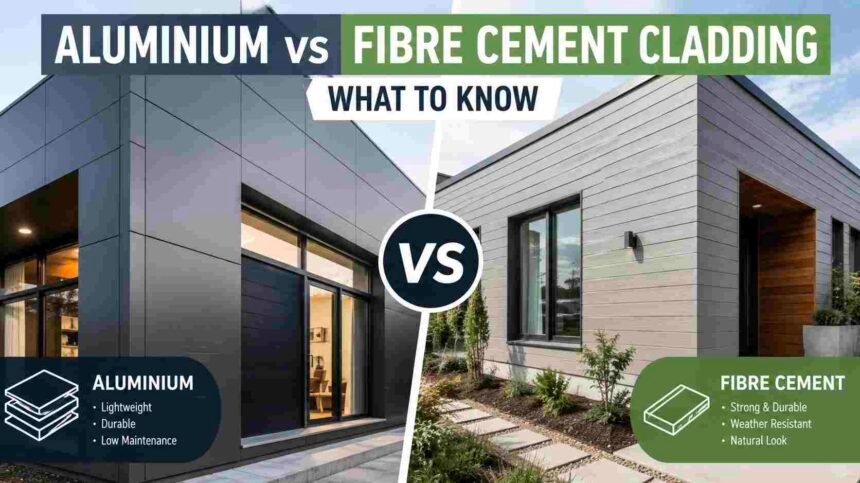
Aluminium composite panels (ACPs) and fibre cement cladding panels are two types of “non-combustible” cladding – but what are the differences, and which is “best” for your project?
Key Takeaways
· The use of dangerous, combustible cladding has been prohibited for new buildings and renovations in Australia, and architects, builders, project managers, and owners must select the right non-combustible cladding system to suit their design and building performance needs.
· Non-combustible cladding materials include solid aluminium, mineral-core aluminium composite panels, fibre cement panels, and other rock-based materials.
· Gold-standard ALPOLIC™ NC/A1 outperforms other non-combustible aluminium cladding products currently on the Australian market. Lightweight and relatively easy to install, it is tested to EN13501-1 Class A1 (Europe’s highest fire classification rating) and is exclusively available in Australia at Network Architectural.
What is Non-Combustible Cladding?
Non-combustible cladding is designed not to ignite, to resist burning, and not contribute to the spread of a fire. It is made from materials that may include aluminium, mineral-core aluminium composite, concrete, or rock. These materials are highly resistant to heat and fire, and make for a safer option in building construction.
The best non-combustible cladding products are not only designed for fire safety; they are extensively tested for fire safety compliance.
Aluminium Composite Panels
Aluminium composite panels or ACPs are made with non-combustible mineral cores that comprise zero combustible polyethylene. These cores are sandwiched between two very thin layers of solid aluminium.
For high-rise, commercial, and industrial building projects, ALPOLIC™ NC/A1 is the gold standard DtS non-combustible aluminium cladding product available in Australia today. Exclusive to Network Architectural, it is engineered for the Australian market and designed to meet Australia’s harsh environmental conditions.
ALPOLIC™ NC/A1 delivers unmatched durability, flatness, and endless design versatility. It is lightweight and cost-efficient over its lifetime. A durable, sustainable product that is 100% recyclable, it carries an unparalleled 20-year full manufacturer’s replacement warranty. There is no cleaning clause in the fine print of this warranty.
Fibre Cement Cladding
Fibre cement cladding is an alternative to non-combustible aluminium cladding when non-combustible cladding materials are required for compliance with the National Construction Code (NCC 2019: C1.9).
Fibre cement cladding is non-combustible by nature. It is crafted from a mixture of cement, sand, cellulose fibres, and water, which is compressed and cured into rigid boards or panels.
Compared with the premium-quality non-combustible aluminium composite panels, fibre cement cladding is heavier, usually requiring greater underlying structural support. It is long-lasting and inherently strong, but is not as easy or quick to install. The best fibre cement cladding products perform well in terms of acoustic and thermal performance, impact resistance, maintenance, and durability. Fibre cement cladding has moderate design flexibility, with a range of colours and finishes; most of these products tend to be matte/concrete-like.
Network Architectural supplies CSR CEMINTEL non-combustible fibre cement façade cladding, which offers an impressive range of finishes that simulate the appearance of stone, timber, concrete, smooth render, and even metal.
Conclusion
Aluminium composite cladding is lighter, more aesthetically versatile, more environmentally sustainable, and faster and easier to install than fibre cement cladding – especially for high-rise buildings.
In terms of fire safety, ALPOLIC™ NC/A1 is considered to be one of the safest aluminium façade products in the world. These panels outperform other aluminium cladding products currently on the market in terms of performance and fire safety. They outperform all criteria according to the AS5113 Large Scale Fire Test. They are also successfully tested to the world’s highest fire-rating standard (the Euroclass A1 Classification).
Choose the very best cladding for your building project and reap the rewards in terms of distinctive style, durability and longevity, safety, and environmental sustainability.