

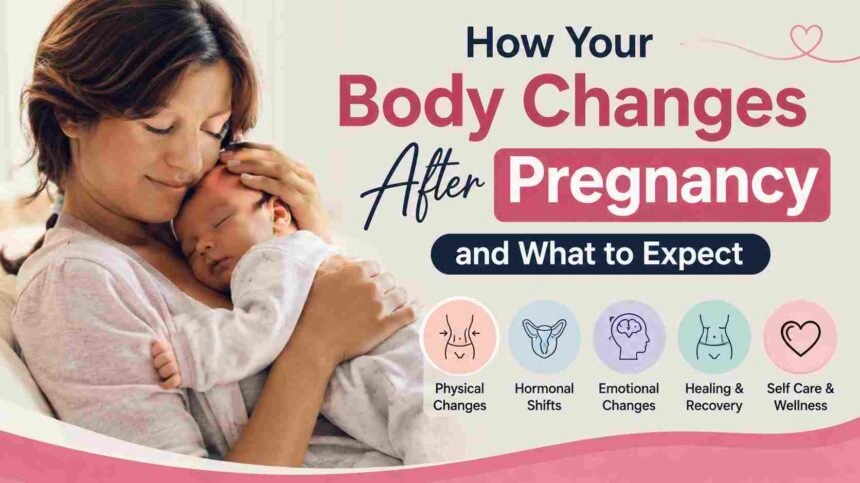
Pregnancy is a remarkable, life-changing journey that transforms your world in beautiful ways. However, it also brings a wave of physical changes that can leave your postpartum body feeling entirely unfamiliar. While some of these adjustments are temporary, other shifts—such as changes in skin elasticity, weight distribution, and breast volume—frequently linger long after childbirth.
For many mothers, navigating this new physical reality can be challenging. Understanding what to expect during your postpartum transition, and knowing the options available to help you feel like yourself again, is the first step toward reclaiming your body image and confidence.
1. Postpartum Hormonal Fluctuations
Immediately following childbirth, your body undergoes a profound hormonal shift. During pregnancy, levels of estrogen and progesterone soar to support your growing baby. Within hours of delivery, these hormone levels drop sharply.
This sudden hormonal drop can lead to:
- Mood Fluctuations: Many women experience the “baby blues” or postpartum depression as their biochemistry attempts to find a baseline.
- Hair and Skin Changes: Decreased estrogen levels can trigger postpartum hair shedding and changes in skin texture, including dryness or hormonal acne.
- Night Sweats: Your body works rapidly to shed the excess fluid accumulated during pregnancy.
Allowing yourself grace during this hormonal reset is essential for your emotional and physical well-being.
2. Changes in the Midsection
Your abdominal muscles and skin undergo massive stretching to accommodate a full-term pregnancy. After childbirth, it is completely normal to retain a “postpartum pooch”. For some women, the two large parallel bands of muscles that meet in the middle of the abdomen separate—a condition known as diastasis recti.
While targeted physical therapy can help rebuild deep core strength, stretched-out skin and weakened abdominal tissues do not always contract back to their pre-pregnancy state.
3. The “Deflation” of Breast Tissue
Perhaps the most common change women report after pregnancy and breastfeeding is a loss of breast volume. During pregnancy and lactation, breasts swell with milk-producing tissue. Once nursing ends and hormones stabilize, this tissue shrinks, often leaving behind empty space, stretched skin, and a sagging or “deflated” appearance.
This physical change can affect how your clothing fits and alter how you view your silhouette.
Options for Restoring Volume and Confidence
If you are looking to address these post-pregnancy body changes, you are not alone. Women have various paths to explore based on their personal aesthetic goals and lifestyles.
Non-Surgical and Lifestyle Approaches
- Strength Training: Building the muscle groups underneath the breast tissue (the pectoral muscles) and focusing on glute strength can improve your overall contour.
- Skin Nutrition: Staying hydrated and incorporating collagen-supporting nutrients into your diet helps maintain skin elasticity over time.
- Dermal Fillers: Non-surgical facial treatments can restore volume to hollow areas of the face that may have changed due to postpartum weight fluctuations.
Surgical Solutions for Long-Lasting Results
When lifestyle shifts and non-surgical procedures are not enough to address stretched abdominal muscles or significant volume loss, plastic surgery can offer transformative results.
- Tummy Tuck (Abdominoplasty): This procedure physically removes excess skin and repairs separated core muscles to create a firmer abdominal contour.
- Breast Augmentation: For mothers looking to restore fullness, shape, and upper-pole projection to their breasts, implants can provide natural-looking results. When planning this step, consulting a board-certified plastic surgeon for breast augmentation surgery in Utah ensures your surgical plan is tailored safely to your unique anatomy.
- Mommy Makeover: This customizable plan combines breast restoration, abdominal tightening, and liposuction into a single surgical timeline, allowing busy mothers to undergo one healing period.
Prioritizing Safe Timing
If you are considering surgical procedures to restore your shape, timing is crucial. Surgeons strongly advise waiting at least six months after you have completely finished breastfeeding before pursuing any breast procedures. This delay gives your breast tissue time to settle and your hormone levels a chance to return to a stable, predictable baseline, ensuring safer surgery and more beautiful, long-lasting outcomes.